
Category
Wheelchair dating
For wheelchair users and partners who respect the chair as part of the person, not a problem to solve.
InterabledAccess-first
Meet the community
Three love stories. A bicycle crash and a Parkinson's diagnosis. A match made in three days. An eight-year friendship that turned into a marriage. What they share is a platform that treated them like whole people - and a willingness to show up, one message at a time.
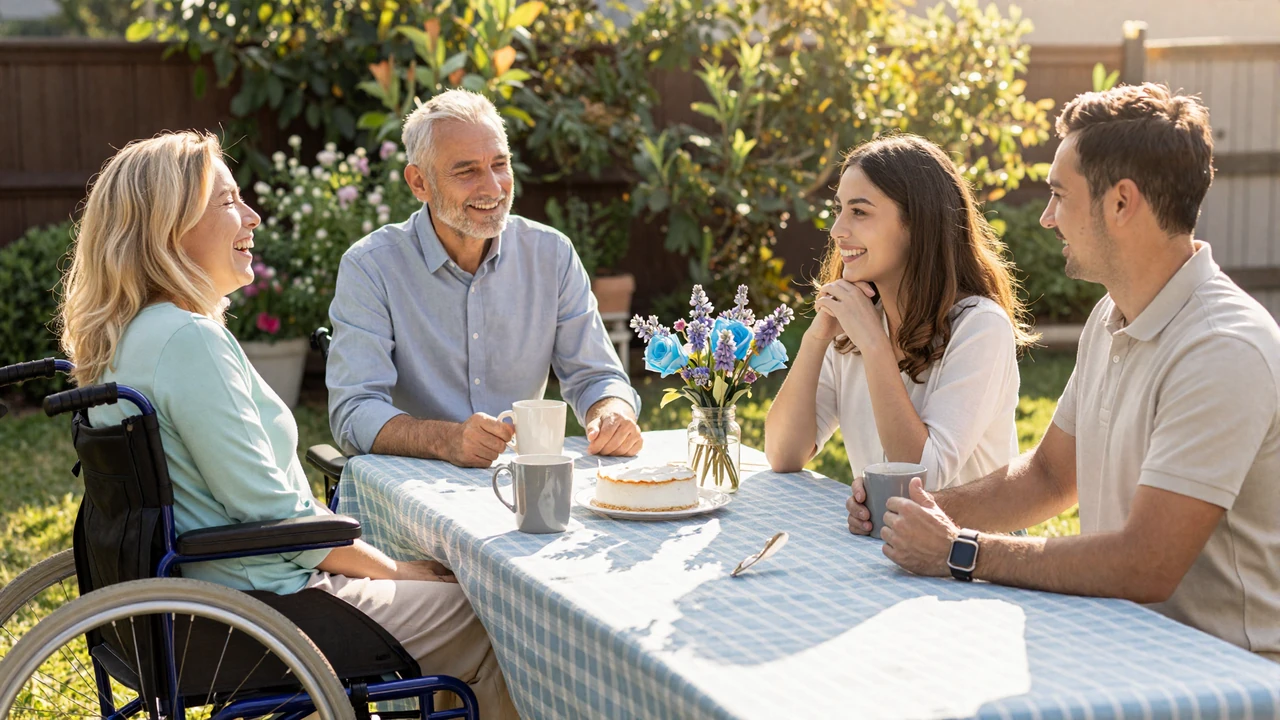
Representation is the first kindness a dating platform can offer a disabled user. Before the matching, the messaging, the meeting - there is a quieter question: do people like me actually end up happy here? For a wheelchair user who has been ghosted twice after disclosure, or a newly diagnosed 50-something who hasn't dated since the nineties, the answer lives in other people's stories, not in marketing copy.
The three couples below come from the disability dating community and from reporting by People Magazine and inclusive platforms like Dateability and Special Bridge. Their situations are different - acquired disability at mid-life, a lightning-fast match that became a marriage, an eight-year slow burn from friendship to wedding. What links them is the texture of finding love with a disability when the platform takes you seriously from profile one.
I didn't need a site to turn me into someone else. I needed one that believed my version of me was already datable. - A Modern Dating member, on why inclusive platforms matter
These aren't fairy tales. They're practical, with real logistics, real flare-ups, real surgeries. They're also proof that finding love with a disability online is not a long shot - it's a common ending when the front door is actually open.
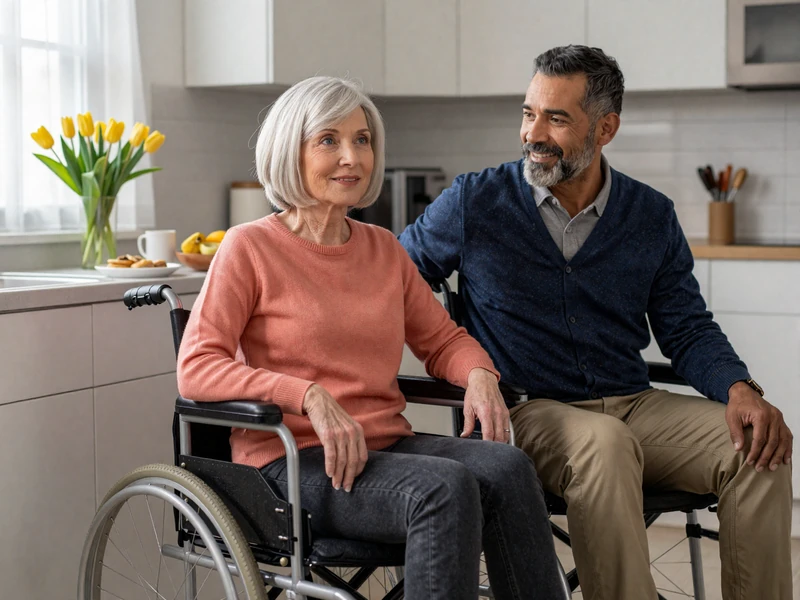
Leslie was 55 when a bicycle crash left her permanently disabled. She spent the next eight years on recovery, not romance - learning her new body, rebuilding confidence, and carefully staying off mainstream apps that had already bruised her once. A friend mentioned Dateability on Instagram. Leslie signed up mostly out of curiosity.
She matched with Howard from San Francisco. They moved off-app for phone calls on February 12. One month later, when Leslie needed surgery on March 12, Howard flew across the country to drive her to the procedure and stay to care for her. He didn't ask permission to be helpful. He asked how.
Howard has Parkinson's Disease. Their abilities complement each other in ordinary, useful ways. Howard drives. Leslie, who has a sitting disability but steady hands, plates the shared meals. Neither of them is anyone's caretaker or anyone's project - they are two disabled adults who decided to build something together.
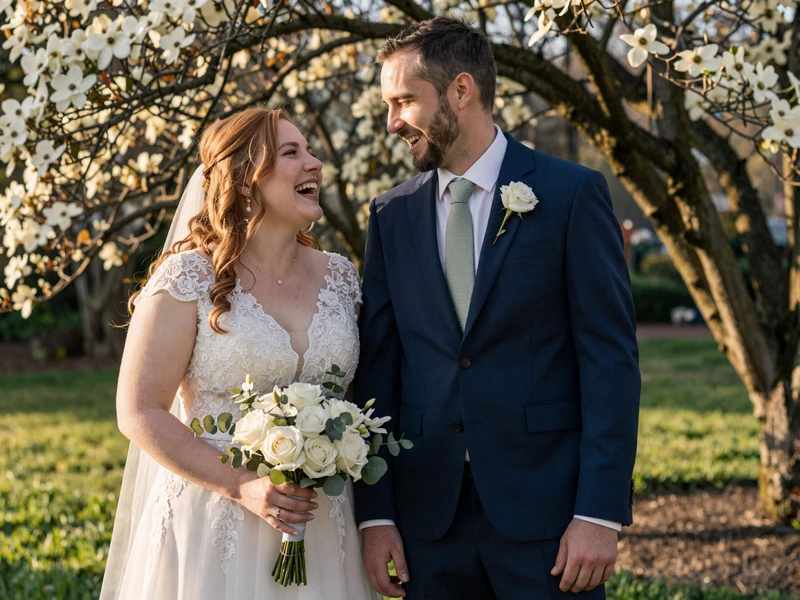
Three days. That's how long Kaci waited between creating her Dateability profile and matching with the man she would marry. Collin messaged, Kaci answered, and the chemistry carried them from inbox to first date to a ring almost before the app could suggest more matches.
Their February wedding was not a simple celebration. It doubled as a thank-you - Collin had recently undergone surgery with serious medical complications, and the ceremony marked both their marriage and his return to the life they had been planning. Their story was later featured in People Magazine, a reminder that disabled relationships belong on glossy pages too, not only in clinical footnotes.
What makes their timeline unusual isn't how fast it moved. It's that they didn't have to audition their disabilities before they could audition each other. The platform had already filtered out the people who would have made that a problem.
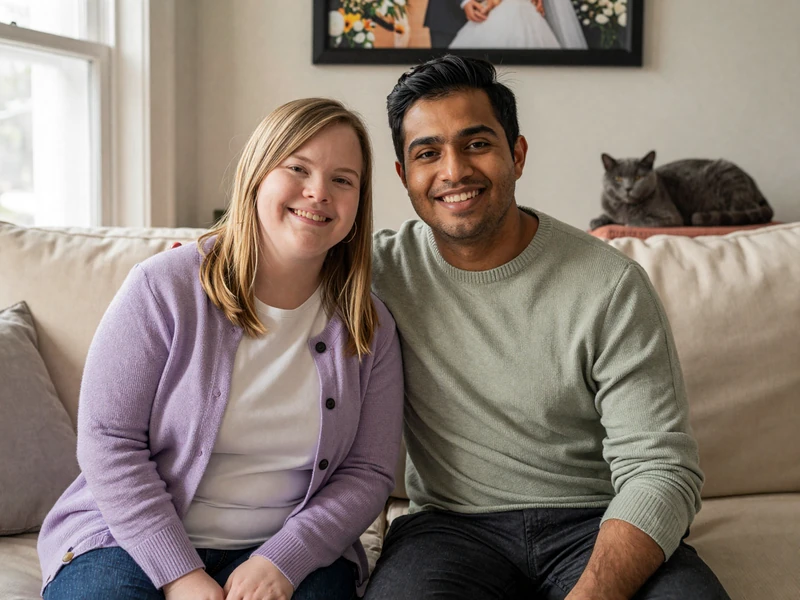
Emily and Shaylan joined Special Bridge eight years ago looking for something smaller than romance: friends who actually understood them. They traded messages, then voice notes, then long weekend calls. Friendship came first, without pressure, without a countdown clock.
Eight years later, they're married and building a life together. Their journey is featured as a Special Bridge success story, and it's a quieter kind of inspiration - the kind that reminds cautious daters that slow is a legitimate speed, and that platforms built for safety let the slow stories actually happen.
We weren't in a rush. We were just finally somewhere we didn't have to explain ourselves. - In the spirit of Emily & Shaylan's story
Three very different timelines, three very different disabilities. Three quiet habits that show up in all of them.
“We got on a phone call early. The app was the introduction, but the voice was the real first date. By the time he flew out for my surgery, we already knew each other.”
“Neither of us had to justify anything before we were allowed to flirt. That sounds small. After years on mainstream apps, it is not small.”
“We started as friends on purpose. Eight years of showing up, unmasking a little more each time, until we looked up and realized this was already a marriage.”
You don't have to recreate anyone else's story. But if you're signing up this week and wondering what actually separates the people who find something lasting from the people who bounce off - these five patterns show up again and again.
A disabled dating site with real moderation, anti-devotee rules, and optional disclosure removes the tax you would otherwise pay on mainstream apps. All three couples met on platforms designed with the community, not at it.
Leslie and Howard moved to phone calls within weeks. Voice reveals chemistry and pace far faster than a thumb-typed message thread. Don't let a matching algorithm be the whole relationship.
None of these couples sold their disability. They also didn't hide it. They included it, calmly, the way people include a job or a dog, and moved on to what they were like to love.
Howard flew across the country for a surgery. Kaci and Collin built their wedding around his recovery. "Show up" is the smallest and most underrated dating advice there is.
Three days or eight years - both counted. If you need the friendship path, emotional compatibility is the metric to watch, not speed.
Every couple above started by finding people who shared a piece of their lived experience. Here's where that begins on Modern Dating.
For wheelchair users and partners who respect the chair as part of the person, not a problem to solve.
A warm, unhurried space for CP singles and allies who lead with curiosity instead of commentary.
Deaf, hard-of-hearing, and hearing allies welcome. Captioned video, ASL-friendly, Deaf-led culture.
Sensory-friendly, script-welcome, no-masking-required. Dating on your own terms as an autistic adult.
Prefer a slower start? Try our quiet date ideas or browse inclusive dating advice for your first week.